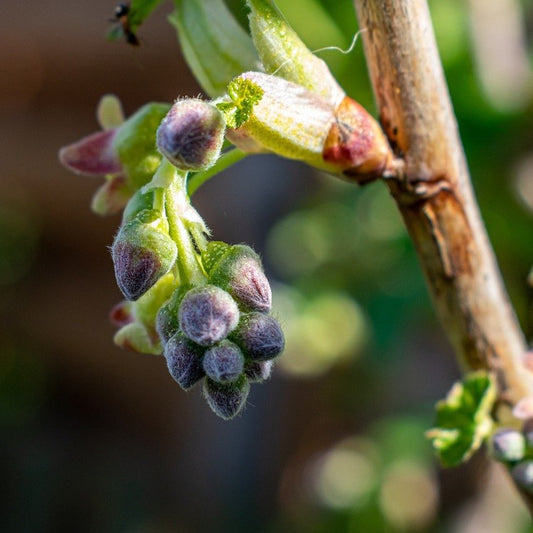
Natural skincare starts with understanding the ingredients themselves. When you know what each plant extract, carrier oil, hydrosol, wax, or butter actually does on the skin, it becomes much easier to choose what works for your skin type and to build simple, effective formulations at home. This guide brings all of that together in one place, creating a trusted resource for anyone wanting to learn more about nature’s chemistry and how it supports healthy, resilient skin.
Below, you’ll find clear explanations of the core ingredient families, how they work, and how to choose them wisely. Every section links to deeper ingredient pages, supporting articles, and product listings so you can explore further.
1. Carrier Oils
Carrier oils are the foundation of natural skincare. They deliver essential fatty acids, antioxidants, phytosterols, and vitamins that support barrier repair and moisture balance. Their profile depends on plant species, growing conditions, and extraction method.
What they do
Replenish lipids in the stratum corneum
Support a healthy barrier function
Improve softness and elasticity
Carry active ingredients deeper into the skin
Reduce TEWL (transepidermal water loss)
Key considerations
Fatty acid ratio shapes skin feel and performance.
Linoleic-rich oils suit oily, acne-prone or inflamed skin.
Oleic-rich oils suit dry, mature, or compromised skin.
Unrefined vs refined affects aroma, colour, and sensitivity.
Cold-pressed oils preserve heat-sensitive nutrients.
Examples to explore
Casor Seed Oil, Jojoba, Sweet Almond, Apricot Kernel, Rosehip (organic), Hemp Seed (organic), Evening Primrose (organic), Avocado.
Supporting page: Why Use Nut and Seed Oils for the Face and Body?
Ingredient index: Jojoba, Rosehip, Avocado Oil, Apricot Kernel, etc.
2. CO₂ Extracts
CO₂ extracts are highly concentrated plant extracts produced using supercritical carbon dioxide. This method preserves delicate compounds without heat or solvents, giving a cleaner, fuller-spectrum profile than many traditional extracts.
Why they matter
Peer-reviewed research supports that CO₂ extraction preserves:
Carotenoids (e.g. beta-carotene in sea buckthorn)
Fat-soluble vitamins
Sesquiterpenes and diterpenes
Antioxidants and anti-inflammatory compounds
These often give stronger activity in small doses.
Best uses in skincare
Brightening and barrier repair
Support for dry, irritated, or stressed skin
Targeted antioxidant support
Adding natural colour or richness to balms, serums, and creams
Examples to explore
Sea Buckthorn Berry CO₂, Carrot Seed CO₂, Ginger CO₂ (organic)
Supporting pages: Unlocking the Power of CO₂ Extracts: A Game-Changer in Botanical Skincare
3. Hydrosols
Hydrosols are aromatic waters produced during steam distillation. They contain water-soluble plant compounds that are gentle, soothing, and ideal for daily use.
What they do
Hydrate and refresh the skin
Support the microbiome
Calm redness and irritation
Provide mild astringency or toning
Best uses
Facial mists
Morning and evening cleansing
Compresses for reactive or sensitised skin
Water phase in creams and gels
Examples to explore
Lavender, Kawakawa, Rose (organic), Orange Blossom, Colloidal Silver.
Supporting pages: Hydrosols, Colloidal Silver and Gold: Gentle Liquids for Modern Natural Skincare
4. Butters and Waxes
These ingredients add structure, richness, and occlusion to skincare formulations.
Butters
Shea and cocoa butters provide:
Deep nourishment
Protection for very dry, cracked, or winter-affected skin
A creamy texture for balms and body butters
Waxes
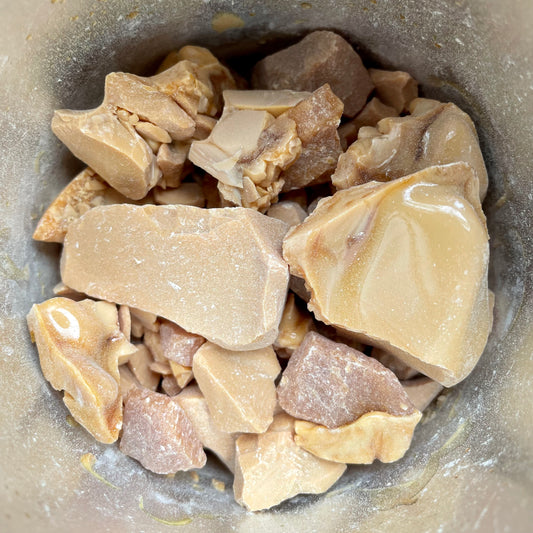
Beeswax, candelilla, Jasmine wax, and rose wax:
Thicken and stabilise balms
Provide a breathable occlusive layer
Add natural aroma and elegance
Supporting page: Waxes and Butters: Natural Structure, Protection, and Nourishment for Skin
5. Safety Basics
Natural doesn’t automatically mean safe. Using botanicals with care protects your skin and your whānau, especially tamariki and hapū māmā.
Key principles
Dilution:
Essential oils: 0.25 to 2 percent for face; 2 to 5 percent for body (specific oils vary).
Patch testing:
Always recommended for sensitive skin.
Pregnancy and breastfeeding:
Some essential oils and extracts need caution or avoidance.
Children:
Use very low dilutions or hydrosols instead.
Oxidation risk:
Old or poorly stored oils can irritate the skin.
Supporting page: Essential Oil Health & Safety
Dilution Calculator: https://zurma.co.nz/pages/dilution-calculator
6. How to Choose Ingredients for Your Skin Type
A simple way to guide choices without overcomplicating things.
Dry or mature skin
Oleic-rich oils: Avocado, Sweet Almond
Butters: Shea, Cocoa
Extracts: Seabuckthorn CO₂, Carrot CO₂
Hydrosols: Rose, Lavender
Oily or blemish-prone skin
Linoleic-rich oils: Hemp Seed, Rosehip
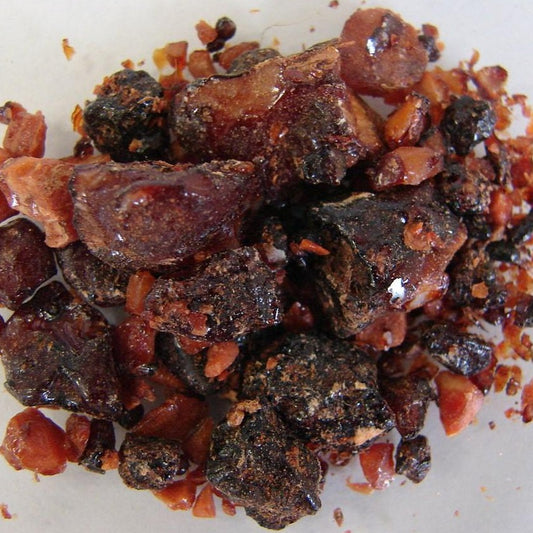
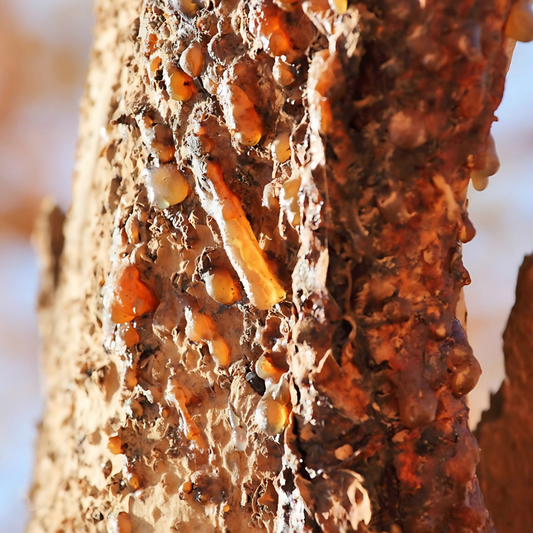
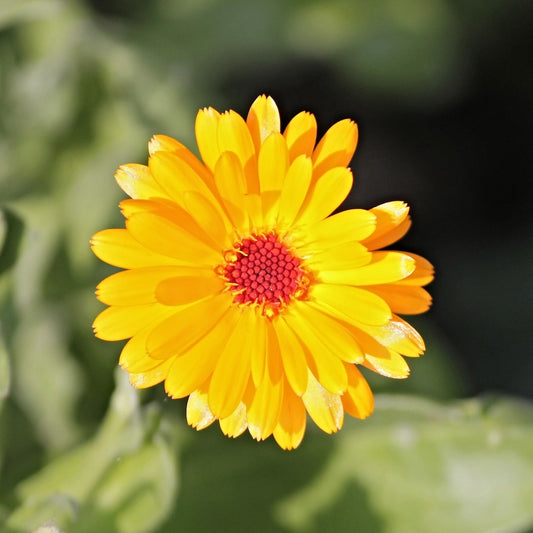
Extracts: Calendula CO₂, Frankincense
Hydrosols: Kānuka, Chamomile
Sensitive or reactive skin
Jojoba, Meadowfoam
Hydrosols over essential oils
Gentle extracts: Calendula, Chamomile
Avoid hot or stimulating oils
Combination skin
Balanced blends using lighter carriers
Hydrosols for hydration
Low-dose CO₂ extracts for targeted support
Supporting pages: Nut and Seed Carrier Oils: Foundational Lipids for Balanced, Healthy Skin
7. Basic Formulation Tips
These are evidence-based, practical starting points.
Start simple: 2 to 4 ingredients before getting more adventurous.
Work by function: choose one carrier base, one active, one antioxidant, one aromatic.
Use weight, not volume: improves consistency and accuracy.
Record everything: ratios, temperatures, supplier, batch number.
Preserve water-based formulas properly: botanical waters need broad-spectrum preservation. We like to go with Grapefruit Seed Extract or Geogard Ultra
CO₂ extracts are potent: often used at 0.1 to 1 percent.